


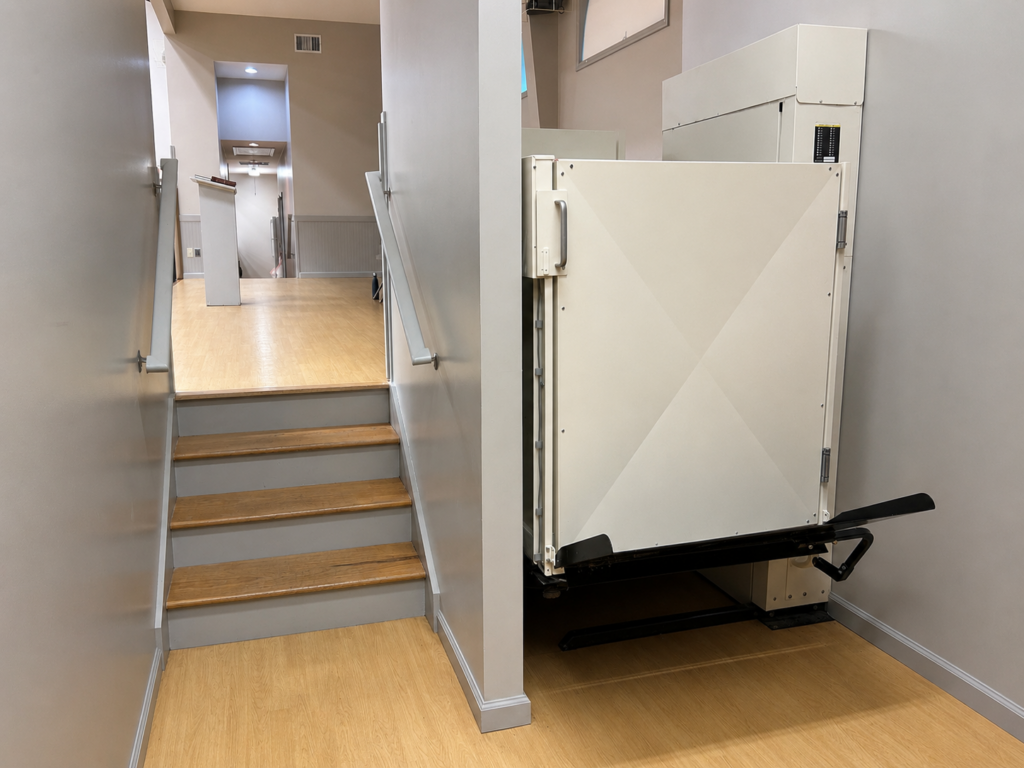
Compare an elevator vs. vertical platform lift Atlanta — Mobility is something that is often taken for granted; that is, until the need for using a wheelchair or walker makes it a challenge just to get around, let alone up and down stairs. Aging in place designs have anticipated such difficulties, making it easy to navigate through potentially difficult or impossible obstacles in your home. Which is the best mobility choice for your Atlanta home – an elevator or a vertical platform lift?

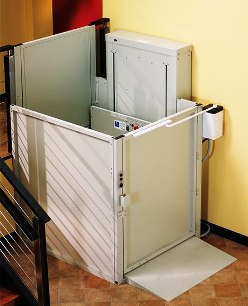
A home elevator, also called a residential elevator, is a permanently installed lift designed to transport people between two or more levels of a private residence. It typically includes an enclosed cab that travels vertically within a hoistway or shaft and can accommodate standing passengers, individuals using walkers, and, depending on the size and model, wheelchair users. Home elevators are commonly installed to improve accessibility, support aging in place, and make multi-level homes easier and safer to navigate. When considering the purchase of an elevator for your Atlanta home, determine:
- The weight of the main user
- Enough space to install the elevator
- Accessibility to desired installation location
- Structural requirements
Wheelchair lifts (also known as a vertical platform lift) also carry the passenger, in the safety of his or her wheelchair, to the desired level or levels in the home. This powerful type of lift offers:
- Weight capacity of up to 750 pounds
- Multiple stops capability
- Backup power source in case of outages
- Easy to use control
Your choice of an elevator or a vertical platform lift is dependent largely on your space and needs. Don’t stay limited. Get an in-home consultation to determine which might be the best mobility option to meet your needs!
Comparing Accessibility Options for Multi-Level Homes
When homeowners begin comparing elevator vs. vertical platform lift Atlanta options, the best solution usually depends on the mobility needs of the user, available space, the number of levels that must be reached, and the overall construction of the home. Both systems can improve independence and make it easier for someone using a wheelchair, walker, or other mobility device to move safely between levels.
When a Home Elevator May Be the Better Choice
A residential elevator can be an excellent long-term accessibility solution, particularly when homeowners want comfortable access to two or more floors. Elevators generally provide an enclosed cab and can accommodate a wheelchair user along with another passenger, depending upon the model and size selected.
When evaluating elevator vs. vertical platform lift Atlanta solutions, homeowners should consider whether adequate space is available for the elevator shaft, equipment, landings, and necessary structural modifications. Some newer residential elevators are designed to require less space than traditional elevator systems, making them possible in homes where installation might previously have been difficult.
A home elevator can also become an important part of an aging-in-place plan. Someone who currently walks independently may appreciate having an elevator available later if mobility becomes more difficult.
Advantages of a Vertical Platform Lift

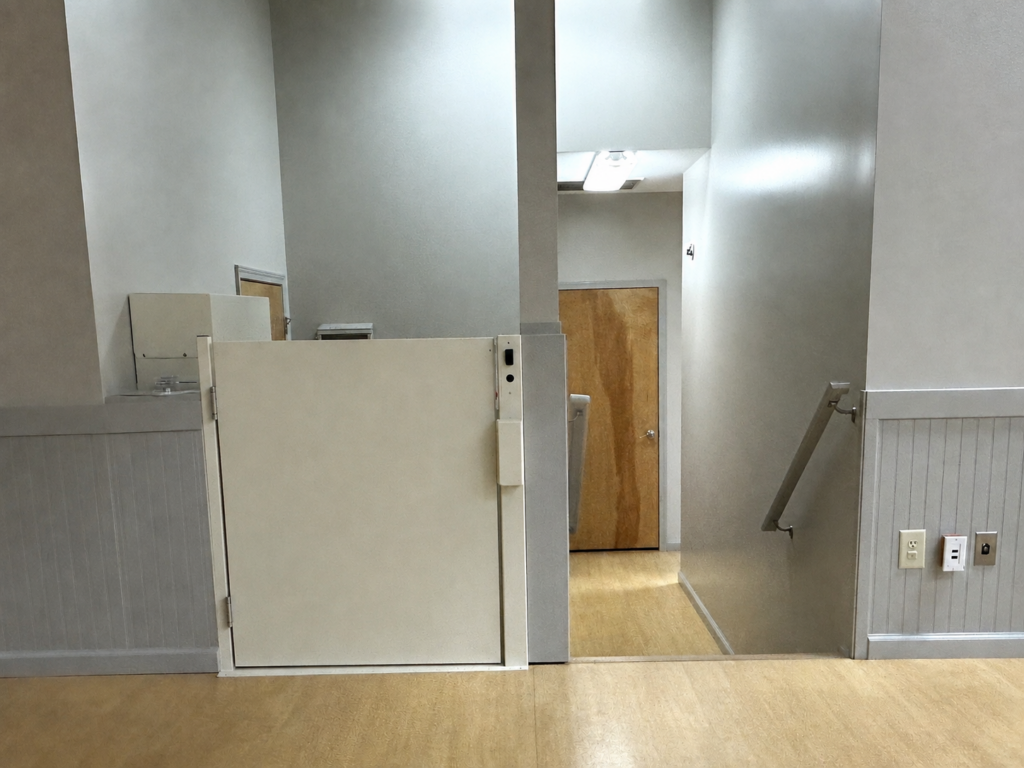
A vertical platform lift, commonly called a wheelchair lift or VPL, can provide a simpler solution when only a limited vertical distance must be traveled. These lifts are frequently installed beside porches, decks, garages, entryways, or between short changes in elevation.
For many families researching elevator vs. vertical platform lift Atlanta, installation cost and construction requirements are significant considerations. A platform lift may require less extensive structural work than a residential elevator, especially when the primary objective is overcoming several exterior steps or reaching a raised entrance.
The wheelchair user generally remains in the wheelchair while riding on the platform. Depending on the equipment selected, VPLs can include gates, safety sensors, automatic folding ramps, keyed controls, and battery backup features.
Consider the Height and Number of Stops
The distance the lift must travel can have an important influence on your decision. When comparing elevator vs. vertical platform lift Atlanta, a VPL may be particularly practical for relatively short travel distances, while an elevator may provide greater convenience when regularly traveling between multiple floors.
Every house is different. Door locations, ceiling heights, framing, foundations, exterior grades, and available floor space can all influence which accessibility system can be installed.
Consider the User’s Long-Term Mobility Needs
It is also important to think beyond today’s requirements. An elevator vs. vertical platform lift Atlanta evaluation should consider whether the user can currently transfer independently, whether a wheelchair may be needed in the future, and whether caregivers may need to accompany the individual.
Planning ahead can help prevent an accessibility improvement from becoming inadequate as mobility needs change.
Professional Evaluation Can Help You Choose
There is no single accessibility solution that is best for every Atlanta-area home. A professional elevator vs. vertical platform lift Atlanta assessment can help identify possible equipment locations, construction requirements, travel distances, and accessibility concerns before a final decision is made.
Ultimately, comparing elevator vs. vertical platform lift Atlanta options means balancing accessibility, available space, convenience, construction requirements, and budget. Selecting the right system can make previously inaccessible areas of the home usable again while supporting greater independence and aging in place.
Whether the best mobility choice for your Atlanta metro home is an elevator or a vertical platform lift, contact Stair Lifts Atlanta, LLC by telephone at (770) 880-3405 and we will assist you in the installation of a stair lift that is exactly suited to meet your mobility needs. Or, contact us online.